

Notes from the farm
-
This is where we tell the story as it happens — the cria arriving on rainy days, the shearing shed humming with life, pulling our first honey load from our new farm, the first fence posts going in, the equipment arriving, dyeing pots simmering, and the little victories that make up a farming year.
It’s not polished.
It’s not perfect.
But it’s real — and it’s the heart of Riverdance Farm.
Nesting
For a long time, I thought I needed to find my way back to the woman I was.
I’m finally realising that she’s gone, and perhaps that’s not something to grieve.
Maybe the work is not going back. Maybe it is coming together as someone new.
There is a lot of nesting happening here on the farm. Paddocks, animals, sheds, lists upon lists, and trying to make life a little easier for the months ahead.
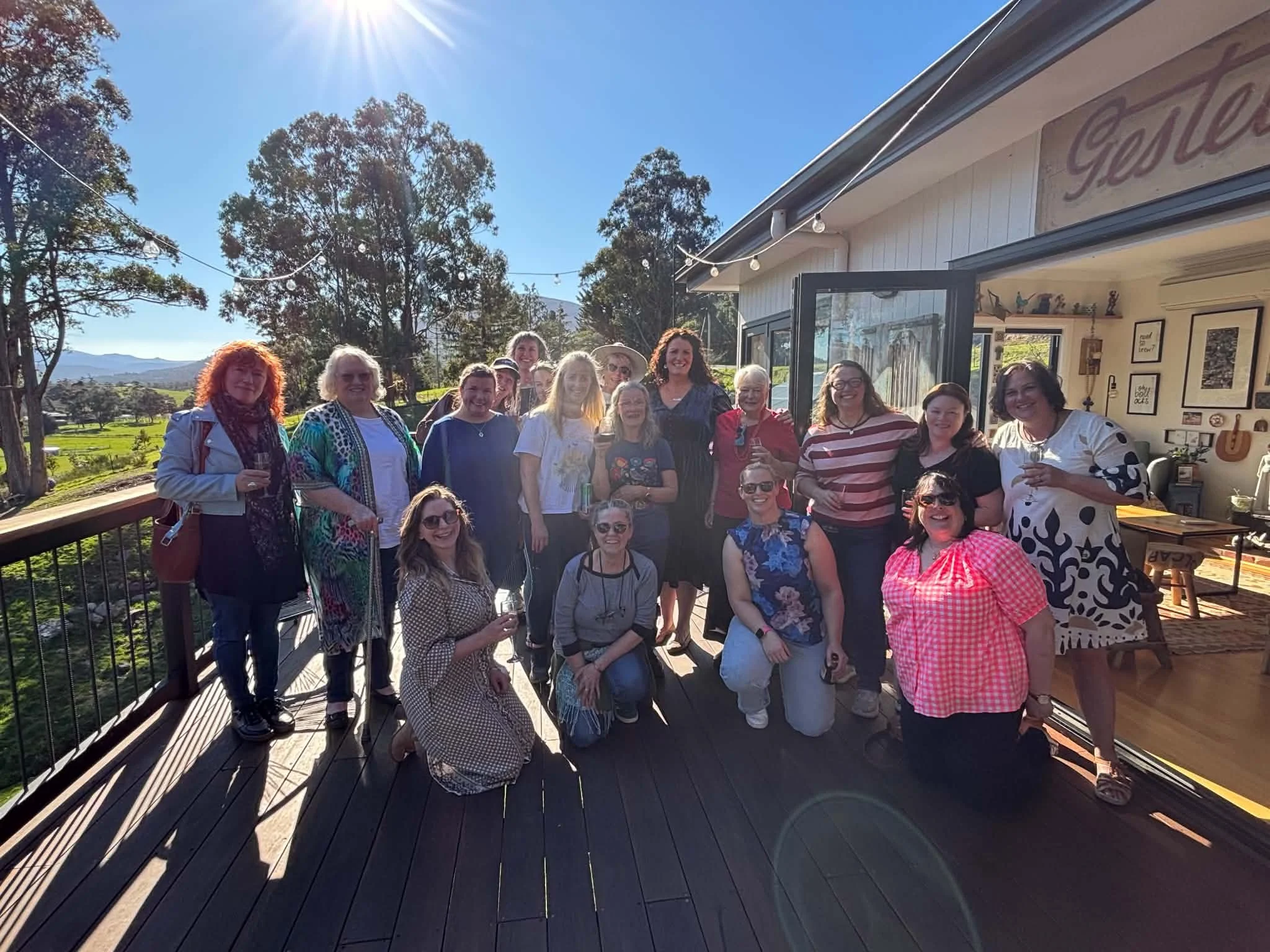
But there has also been another kind of nesting. Making space in my life for the people who have held me up, particularly the women who know when you need advice and when you simply need someone to sit beside you, put the kettle on and stay.
This journal is about rebuilding, motherhood, friendship, grief, the farm, and learning that making a life is not something we do entirely by ourselves.
Not back together.
Coming together.
Winter
Winter at Riverdance Farm Tasmania | Alpacas, Farm Life & Resilience
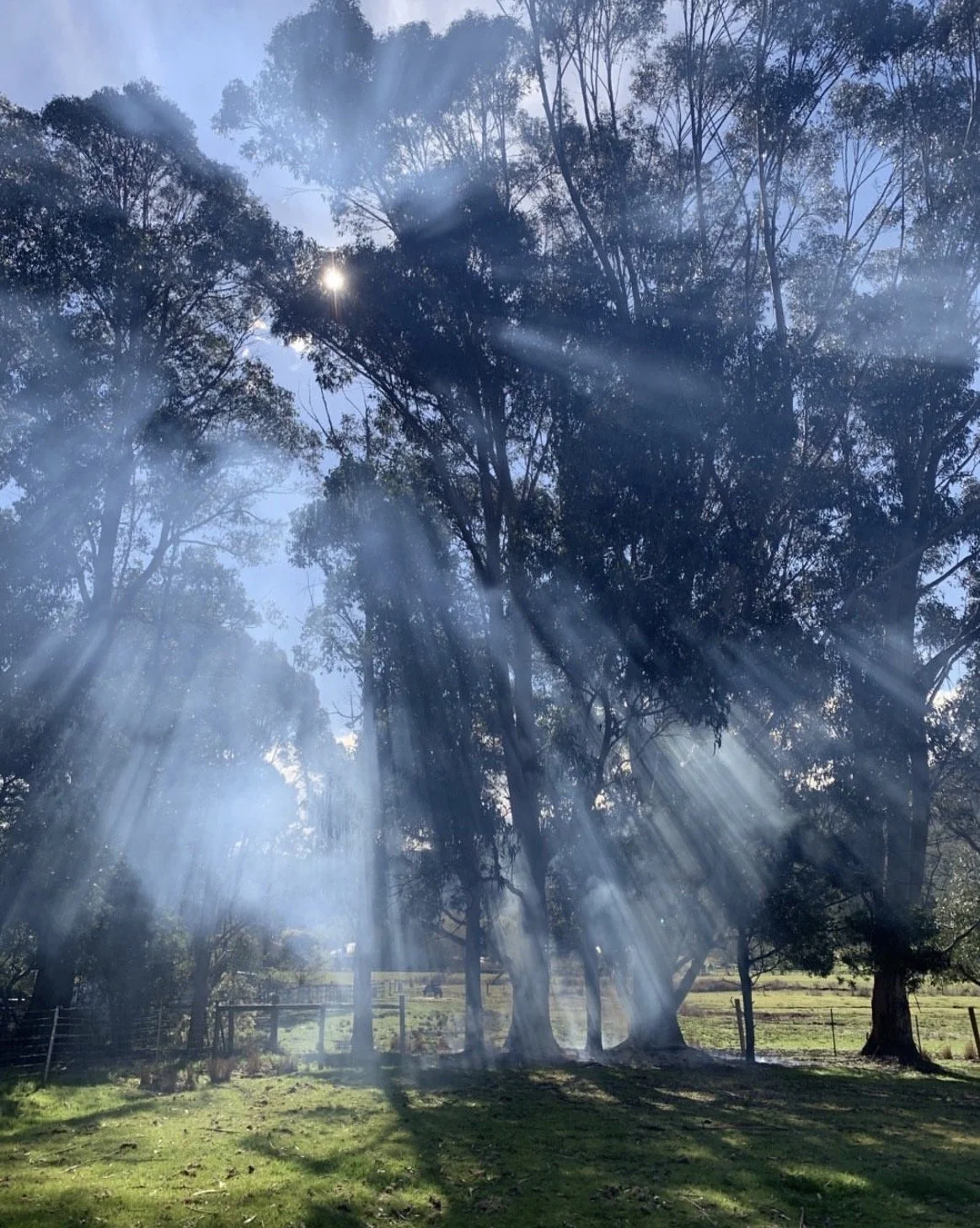
Winter has a way of slowing everything down. In this month's Riverdance Farm Tasmania journal, we share the quieter side of farm life, winter alpaca husbandry, wildlife, preparing the farm for spring and the unexpected lessons that come from living through life's hardest seasons. Honest, reflective and grounded in the rhythms of the farm, this is a story of resilience, country life and finding your way forward one paddock at a time.
Small steps
Small Steps
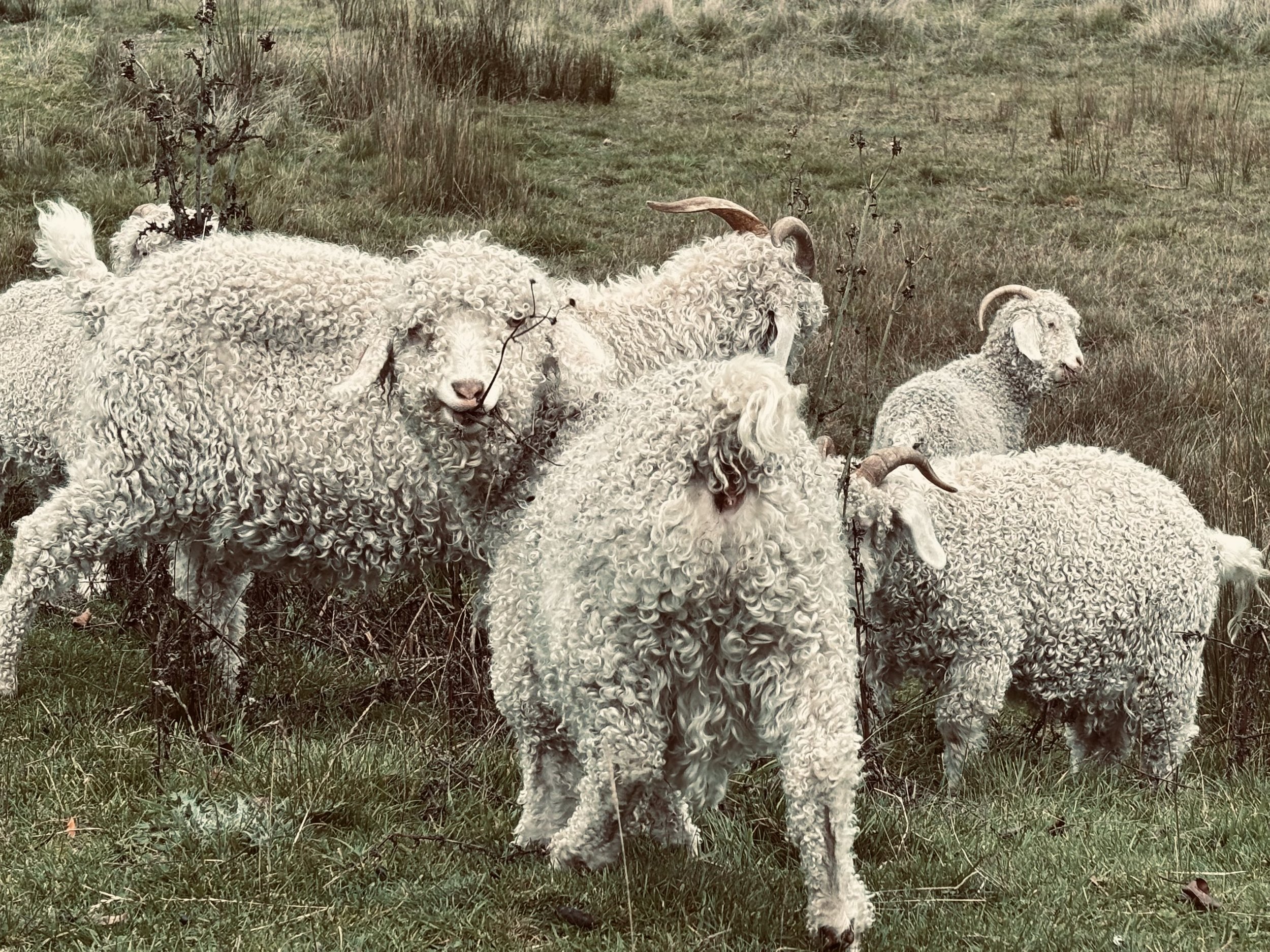
In this week's Riverdance Farm journal, I reflect on finding routine after a difficult season, the quiet progress happening behind the scenes, and the small steps that continue to move life forward. From welcoming five new Angora goats to the farm after a visit to GoatFest in Tasmania, to the ongoing development of our future fibre mill and homestead renovations, this is a story about foundations, resilience and building dreams one piece at a time.
Join me for reflections on farm life in Tasmania, mohair production, rural community, and the reminder that sometimes the most important progress is the kind that happens quietly.
Returning to Crabtree
Today I've shared a journal entry called Returning to Crabtree.
It wasn't an easy one to write.
Life has taken an unexpected turn and, for now, we've returned to Crabtree. There has been a great deal of grief, change, uncertainty and rebuilding happening behind the scenes, and I've been quieter than usual as I've tried to find my feet again.
The farm has seen me through difficult seasons before. While I'm not yet ready to call this one a gift, I am grateful for the people who have carried me when I couldn't carry myself.
There is still a baby due in October. There are still animals to feed. There are still dreams quietly flickering away in the background, waiting for their time.
Perhaps rebuilding doesn't always mean building bigger. Perhaps it means building truer.
Thank you to everyone who has checked in, held space, offered kindness, or simply stayed close.
It has meant more than you'll ever know. 🤍
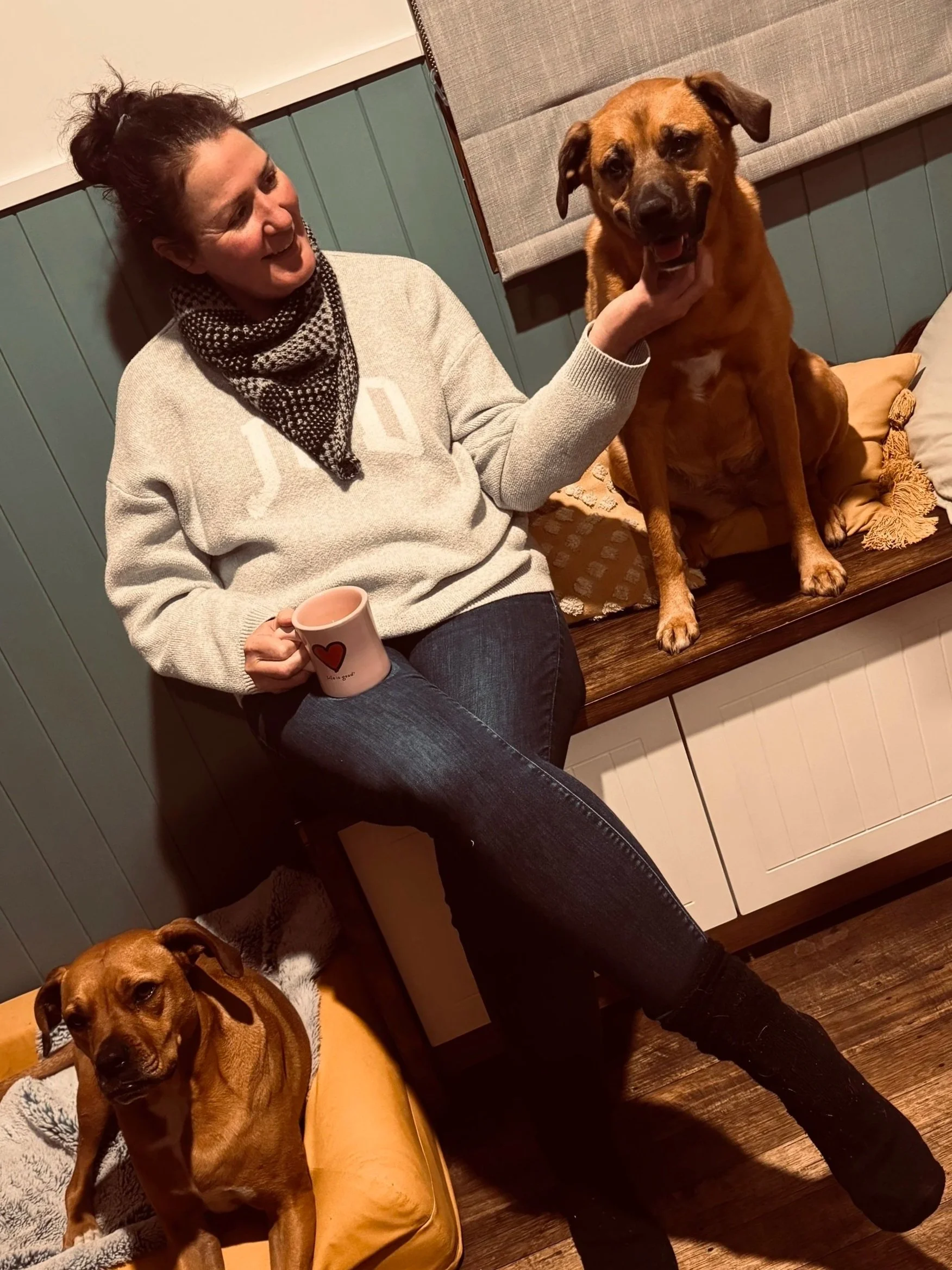
Taking Stock of What Stays
Taking Stock of What Stays
This season hasn’t asked for numbers, but for stillness. The kind that quietly redraws the edges of your world and shows you, without fuss, what remains.
We farewelled a little cria and welcomed the reminder that life here is never guaranteed. When new life comes, it asks to be celebrated fully. When it doesn’t stay, it asks something else of you entirely.
Lately, I’ve stopped long enough to look not at what’s been lost, but at what is still here. The farm continues its rhythm regardless, and in that, there’s both a humbling and a clarity. Energy matters. Where it’s placed matters more.
Not everything can be sustained, even when you want it to be. Not every season produces. And sometimes the hardest, most necessary work is knowing when to let go.
So the question becomes simple, and not simple at all
What is still here?
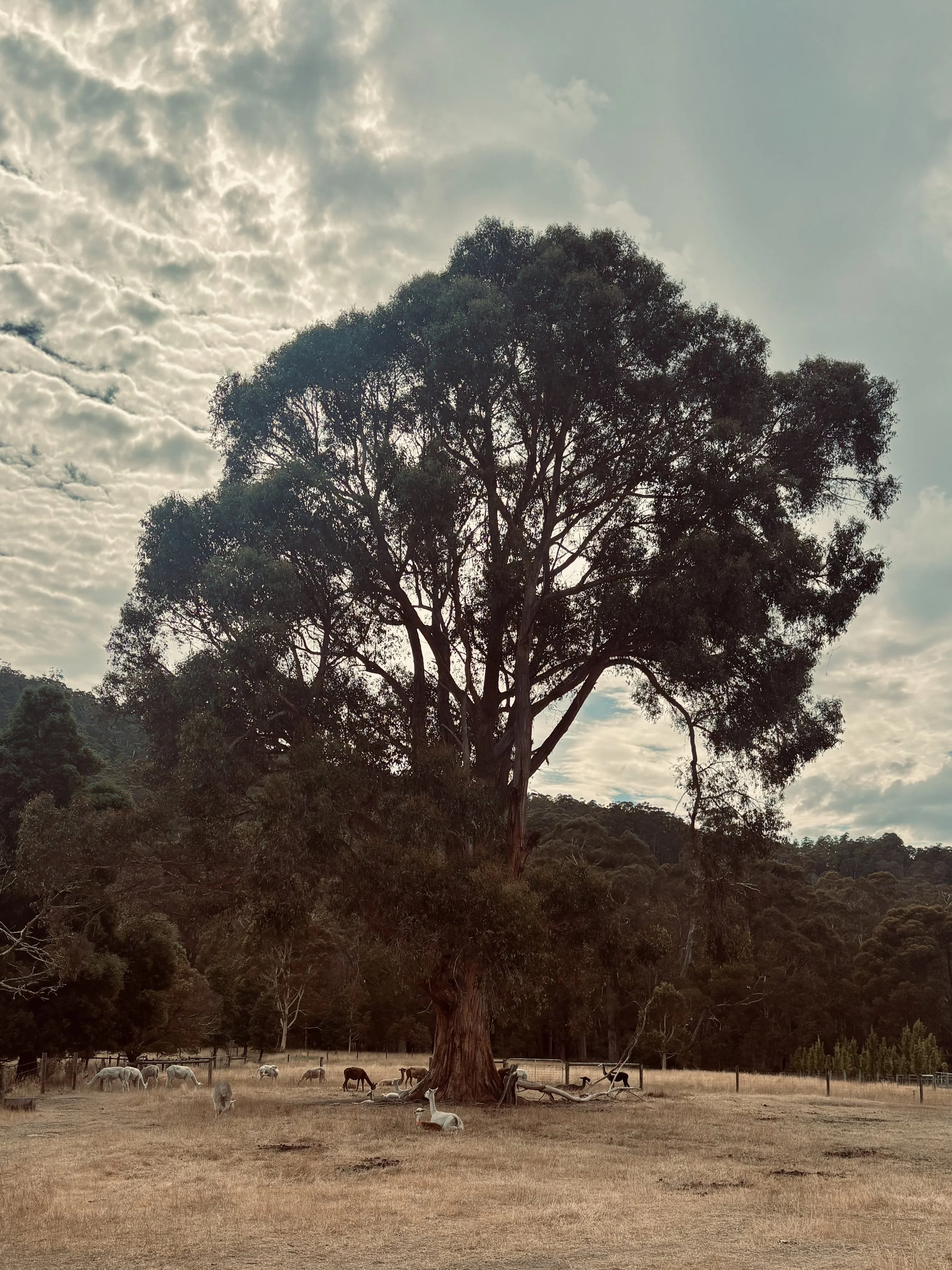
The work that belongs to Autumn
Experience the autumn rhythm at Riverdance Farm Tasmania. From seasonal chores like slashing, tree prep, and burn piles to observing the changing light across paddocks, this Week 7 journal explores how the seasons shape farm work, planning, and the emotional flow of life on the farm. Learn how attunement to nature informs thoughtful farm management and winter preparation.
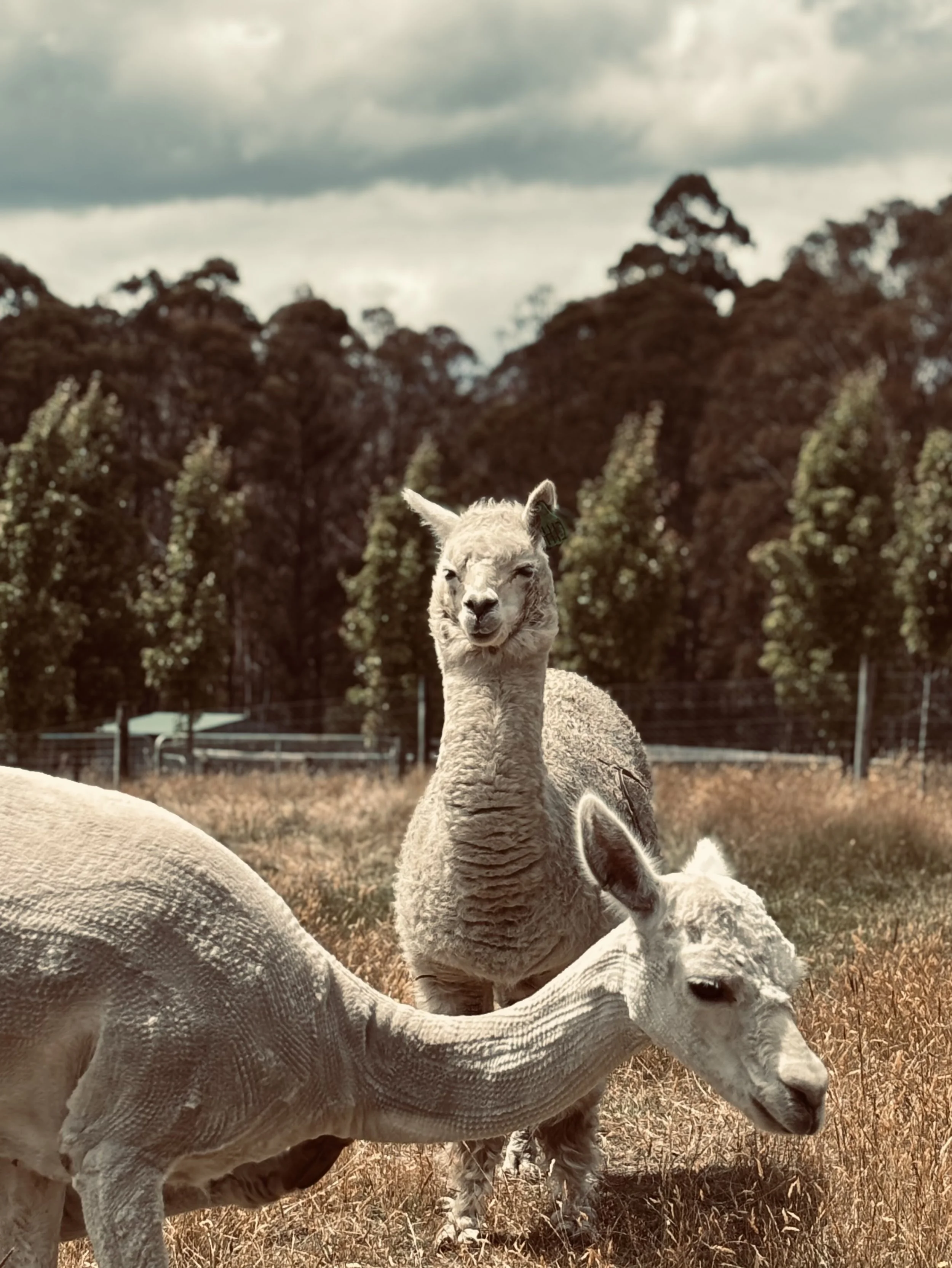
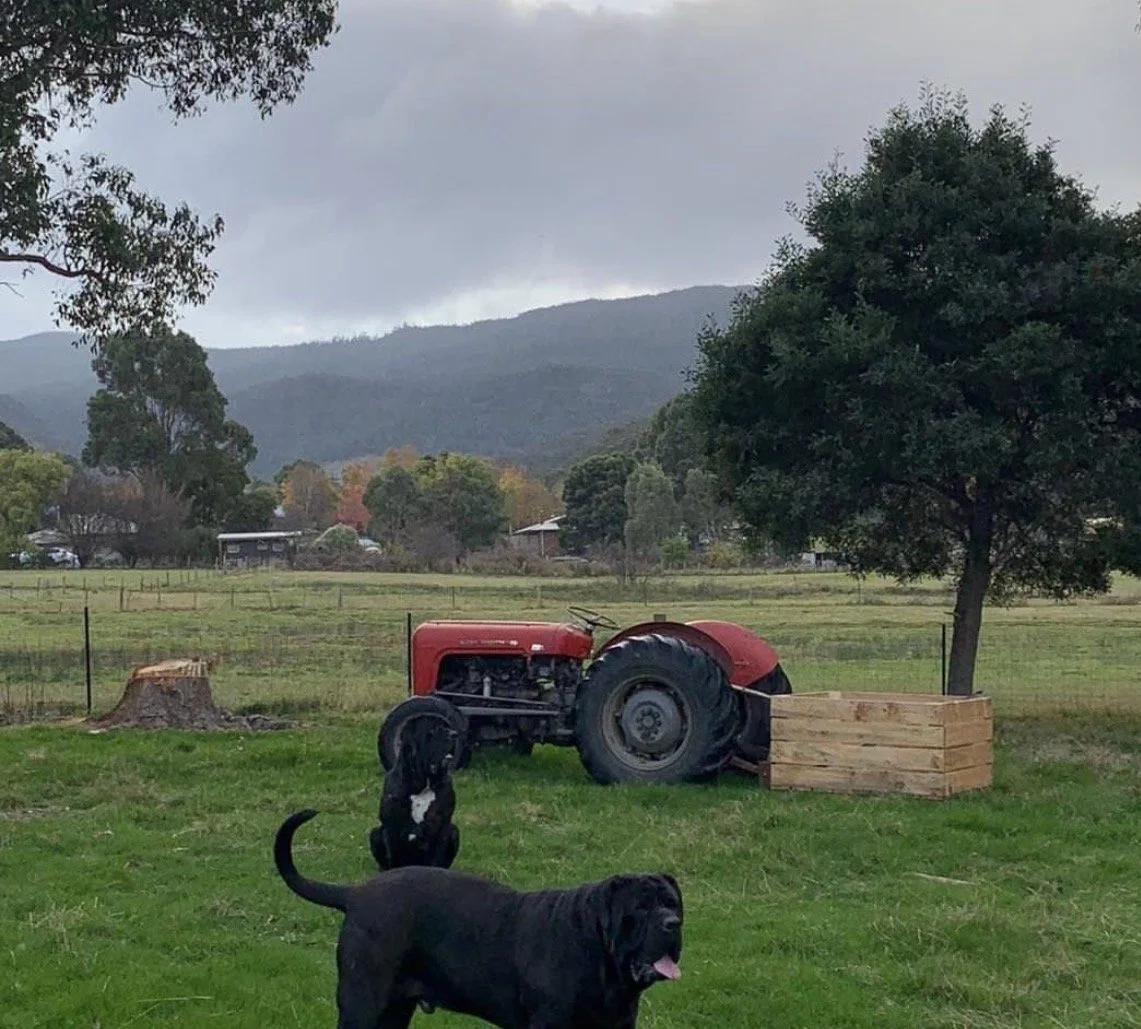
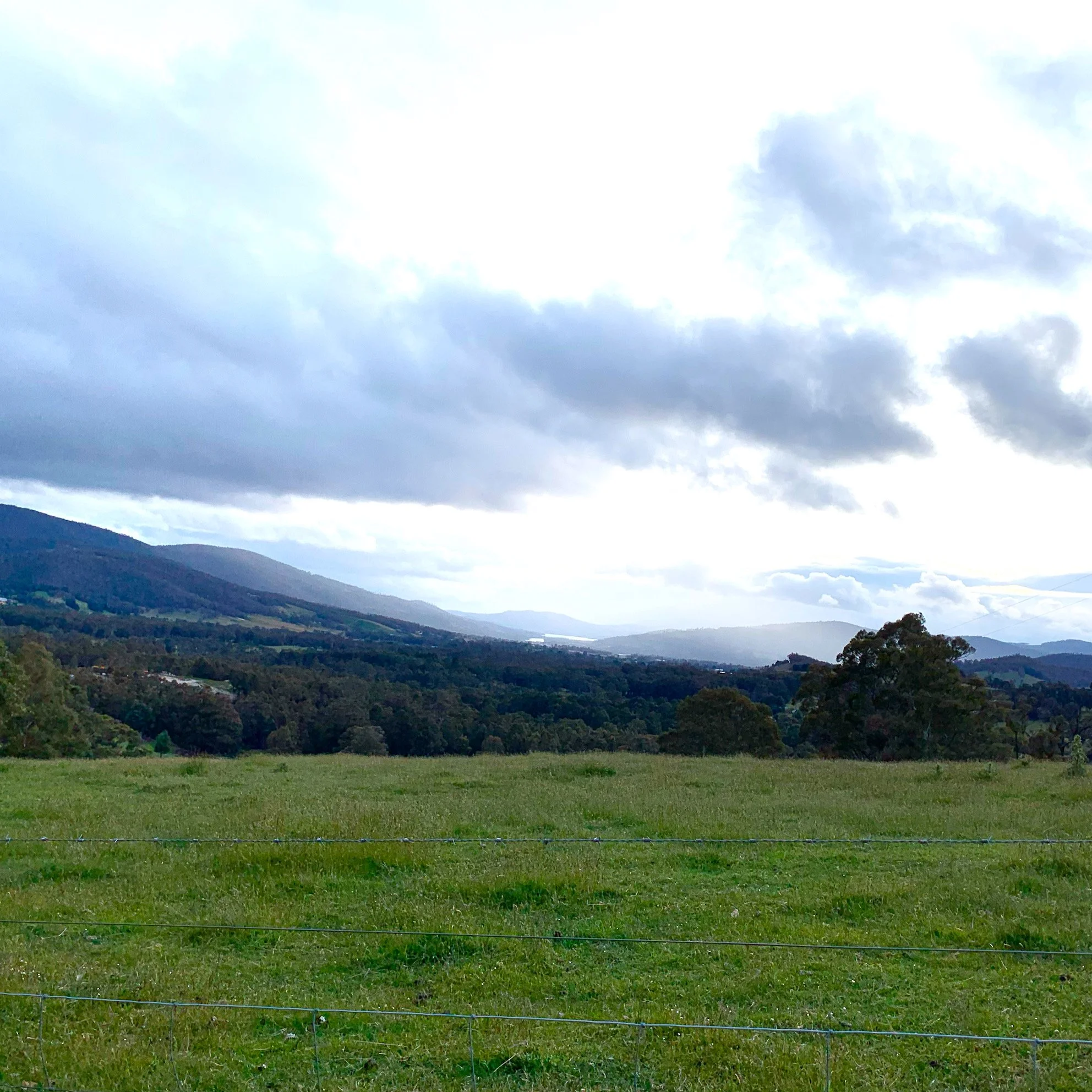
Planning the Move – While Working Off-Farm
Planning Riverdance Farm Tasmania while working full-time off-farm looks nothing like the postcard version. It’s late-night notes, long-term vision, animals two hours away, and trusting the scaffolding phase.
Slow building still counts
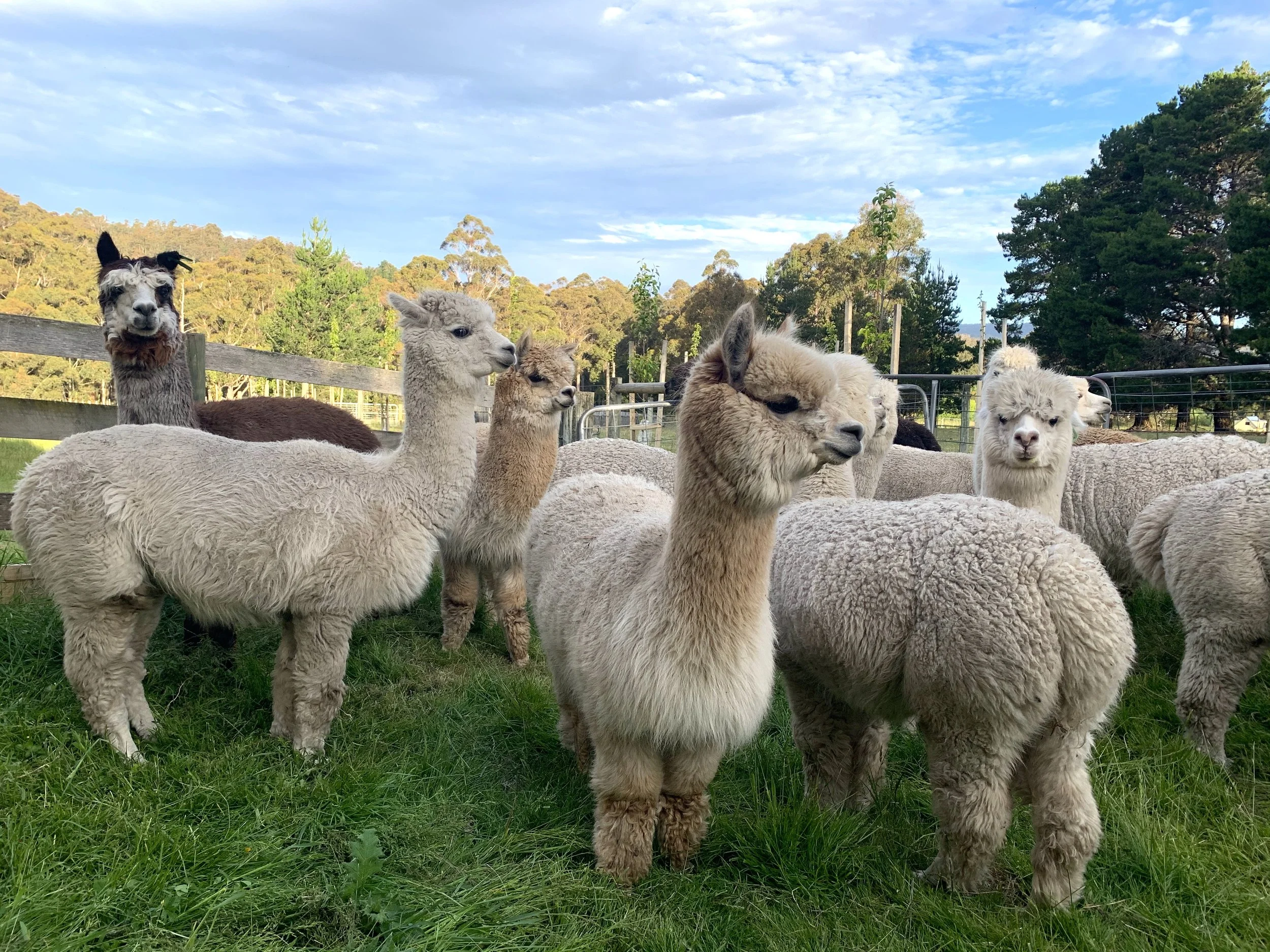
Why fibre matters
This week’s journal reflects on fibre as more than material. It’s about responsibility, provenance, slow craft, and the quiet power of women’s work across history. From shearing sheds to maker’s hands, this is the long story behind the yarn.
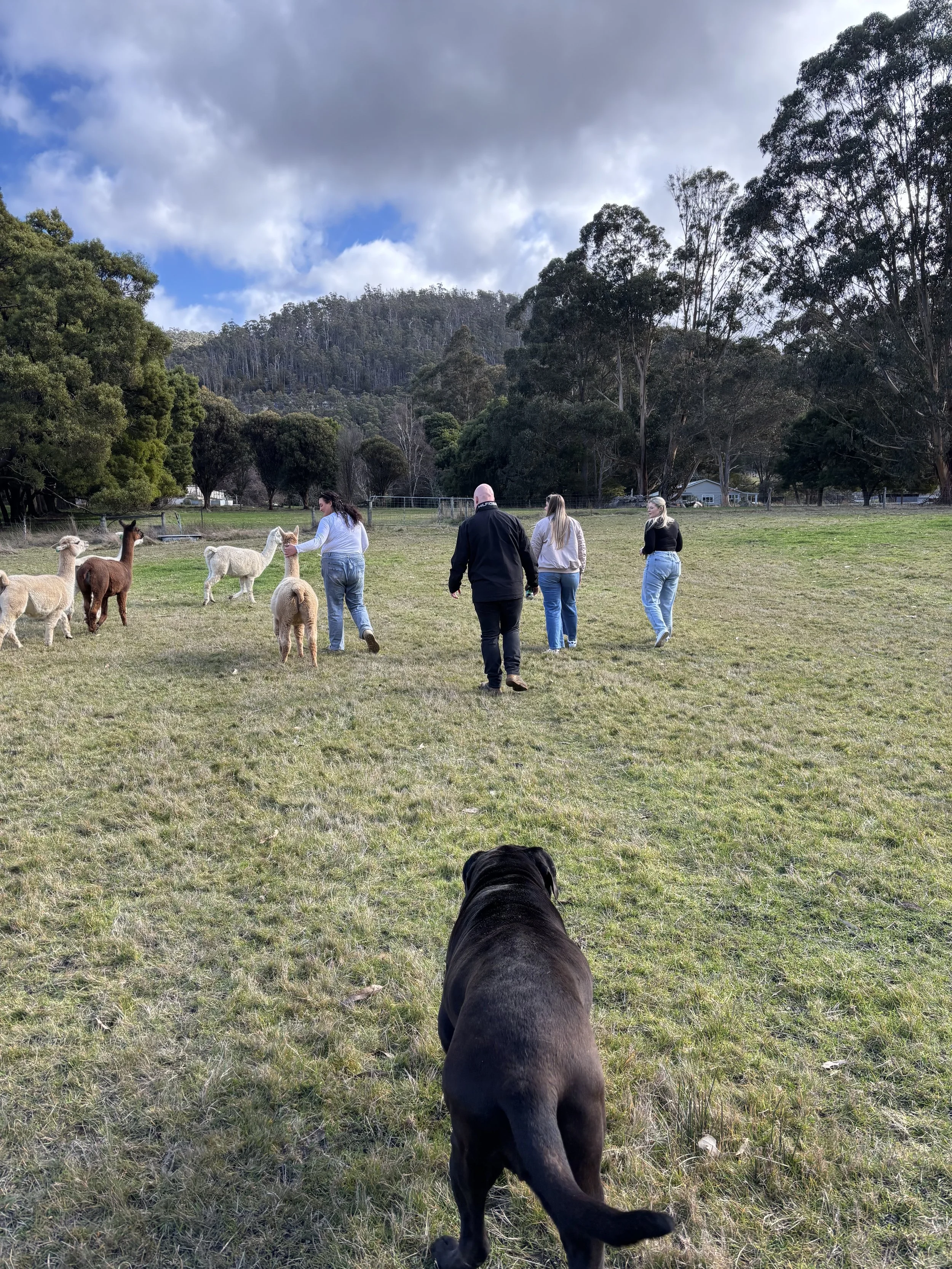
The Art of Not Knowing
the vision is to eventually build a working fibre mill big enough to employ a person or two. Processing alpaca, sheep, goat — maybe even the occasional highland cow (yes I’ve been asked and I can’t wait to try that!). Workshops, creators’ retreats, people sitting around with fibre in their hands, talking, learning, laughing. A little coffee machine in the corner.

On the move
18–24 months from now, I hope to open a fibre processing mill in the Derwent Valley. I want to meet and connect with people who will buy fibre from my animals in the next six months, and growers who want to use the mill. I want to draw people out from their second jobs, their balancing acts, and have virtual cuppas together. Find our tribe.